
Your gut is making your mood
About 90% of the body's serotonin is produced in the gut. Not in the brain, in the gut. The microbes living in your intestinal tract produce neurotransmitters including serotonin, dopamine, and GABA, and they communicate with the brain through the vagus nerve, the immune system, and the bloodstream. The field studying this is called the gut-brain axis, and over the past five years the evidence has moved from "interesting hypothesis" to "mechanistically established."
What gut dysbiosis looks like in the brain
When the gut microbiome is disrupted, by antibiotics, poor diet, stress, or illness, the resulting state is called dysbiosis. Research published in 2025 found that antibiotic-induced dysbiosis reshapes dendritic architecture in cortical interneurons: the physical structure of certain brain cells changes. This is not a vague correlation. It's a direct neurological effect of intestinal microbial disruption.
Separately, specific microbial populations are linked to cortical functional gradients, measures of how different brain regions communicate with each other. The microbe species Ruminococcaceae has emerged as one of several candidates with consistent associations to mood-related brain patterns.
The dietary angle
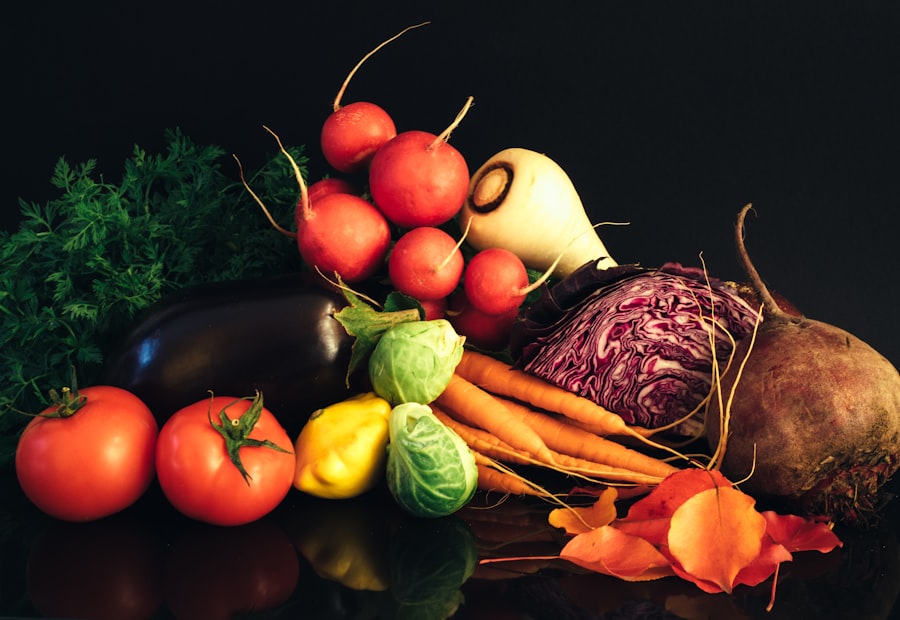
The connection to food is more complex than "eat vegetables, feel better." The relevant mechanism runs through dietary fiber, which feeds the specific bacterial populations that produce short-chain fatty acids, compounds that cross into the brain, reduce neuroinflammation, and support the integrity of the blood-brain barrier.
Ultra-processed food disrupts this process not just through what it lacks (fiber) but through what it contains: emulsifiers, preservatives, and food dyes that alter microbial populations in measurable ways. The "fork to feelings" framing in recent Annual Review research isn't metaphorical. The food choices at your table today affect neurochemistry within days.
Probiotics, realistic expectations
The probiotic evidence is real but modest. Specific strains, particularly Lactobacillus and Bifidobacterium species, have shown effects on anxiety and depressive symptoms in randomized controlled trials. The effects are not as large as antidepressants in moderate-to-severe depression, and strain specificity matters: not all probiotic supplements do the same thing.
The more reliable intervention is dietary fiber, feeding the microbiome you have rather than adding populations from outside. High-fiber diets consistently support the bacterial populations most associated with stable mood regulation.
What this means practically
None of this is settled enough to be prescriptive in a medical sense. But it's settled enough to be worth paying attention to. If your mood varies significantly with what you eat, if you notice consistent crashes after certain meals, or consistent lift after others, that pattern is likely real, not imagined.
Mood doesn't track food, but the entries you log have timestamps and notes. If you start adding brief observations about what you ate or how your digestion felt, patterns can emerge over weeks. The gut-brain connection is slow enough that you need more than a day or two of data to see it, but visible in a month.
The brain does not operate independently of the body it lives in. What you eat is part of what you feel.