
Your mood follows your clock
Most people treat sleep as a consequence of mood: you feel low, so you sleep badly. A large wearable study published in eBioMedicine flips that assumption. After tracking 139 patients with mood disorders across more than 40,000 days, researchers found that circadian disruptions, particularly delayed sleep phases, precede mood episodes. The disruption is a cause, not just a companion.
What circadian misalignment actually means
Your body keeps an internal clock governed by light, temperature, and social cues. When that clock drifts out of sync with the external world, you stay up late, sleep in, or shift your schedule through travel or work, the result is called circadian misalignment. For people with mood disorders, the research found, this misalignment doesn't just affect sleep quality. It's directly tied to the timing and severity of depressive and manic episodes.
The mechanism runs through cortisol, melatonin, and body temperature, all of which peak at different times and regulate alertness, emotional reactivity, and energy. Pull any one of them off schedule and the system compensates in ways that show up as mood.
The 7-day trap
Most of us run a weekly light cycle without thinking about it: late nights Friday and Saturday push wake-up times back, creating what researchers call "social jetlag" by Monday morning. That Monday heaviness isn't just psychological. You're physiologically hours behind where your clock was on Friday.
This is exactly the pattern that a year of daily entries in Mood will reveal without any extra effort. The heatmap doesn't label anything, it just shows you the colors. But most people who've tracked for a few months can point to a cluster of darker pixels that always starts around the same day of the week.
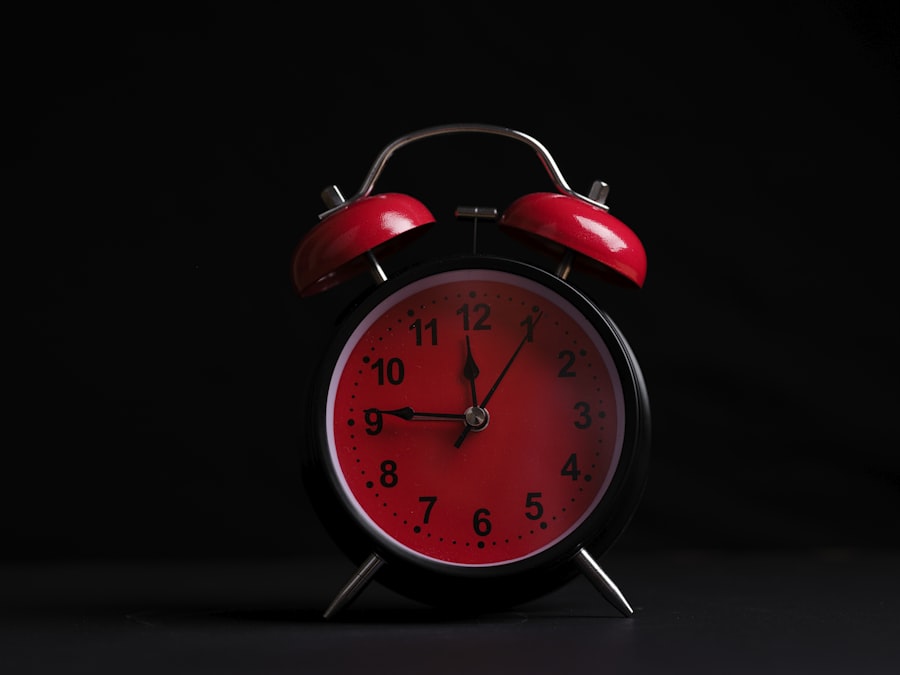
Light as the lever
The most actionable finding from recent chronobiology research is that light is the fastest way to reset a drifted clock. Morning light, ideally before 9 a.m., ideally outside, suppresses the tail end of melatonin and pulls your phase earlier. It works faster than sleep schedule changes alone.
If you've noticed a weekly pattern in your entries, changing what you do in the first hour of the day is a cheaper experiment than overhauling your entire schedule.
Your internal clock doesn't care what day it is. It only cares about light, timing, and consistency.
The research doesn't say everyone's mood is controlled by their circadian rhythm. It says the rhythm is a bigger variable than most people give it credit for, and that for a meaningful portion of us, getting it right is the intervention that makes everything else easier.